Diani Beach on a Shoestring, Sun, Sand and Swahili Flavour
A practical coast guide for young Kenyans who want white sand and warm water without breaking the bank.
Ask any Kenyan who grew up dreaming of the coast, and they'll tell you the same thing: Diani was always the place you saved up for. Not Nairobi's weekend escape spots, not the crowded stretch near Mombasa jetty. Diani. The one with the white sand that squeaks under your feet and water so clear you can count the fish without a snorkel. I've watched friends plan entire year budgets around a long weekend here, and honestly, once you've dipped your toes into that turquoise water, you understand why.
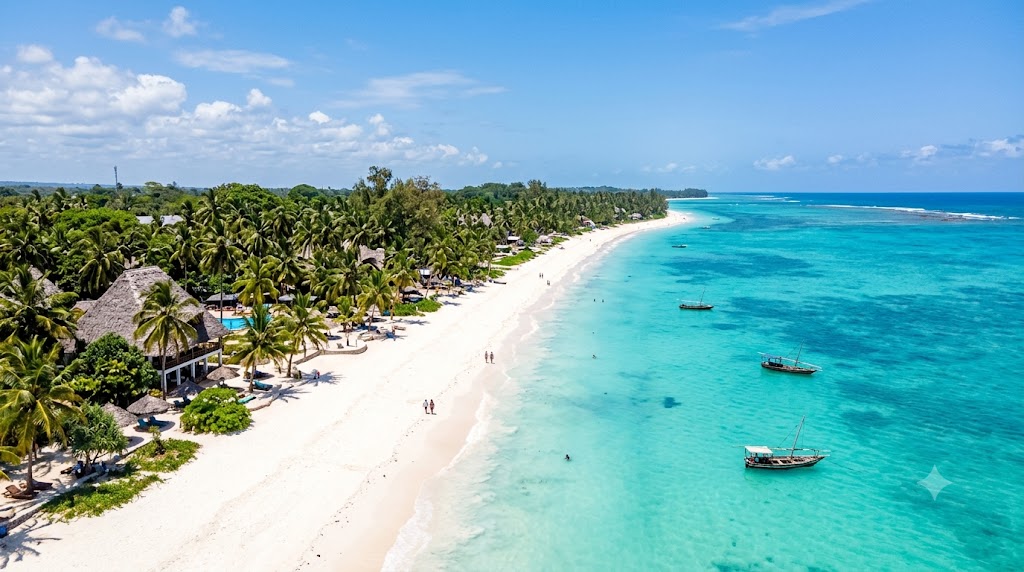
Diani Beach sits on Kenya's southern coast, in Kwale County, roughly thirty kilometres south of Mombasa across the Likoni ferry crossing. It stretches for about seventeen kilometres of coral sand, according to the geographic data cataloged on Wikipedia, making it one of the longest continuous beach fronts in East Africa. The town built around it, Ukunda, had a population of about 70,788 people at the last census, though that number has surely swelled given how fast the local tourism sector has grown since. This isn't some undiscovered secret anymore. It's a busy tourist spot with an international reputation, having repeatedly claimed the title of Africa's Leading Beach Destination at the World Travel Awards, an accolade that keeps landing here year after year rather than drifting to Zanzibar or the Seychelles like you might expect.
What Is Diani Beach Best Known For?
People come here for one reason first, and everything else follows after. The reason is the sand and the reef. But stick around a few days and you realize the place has layers, cultural, economic, architectural, that most brochures skip entirely.
White Sand and Coral Reef Coastline
The sand in Diani isn't ordinary beach sand. It's coral sand, ground down over centuries from the reef system that runs parallel to the shore, and that's why it stays so pale and fine even under the harsh equatorial sun. At low tide, you can walk out for what feels like half a kilometre over underwater sandbars before the water even reaches your knees, which honestly surprises first-time visitors who expect to just wade in and swim immediately. The offshore reef acts as a natural barrier, which is partly why the water inside it stays so calm and swimmable most of the year, a detail that matters if you're traveling with kids or just aren't a confident swimmer. Coral reef health here isn't guaranteed forever though. Bleaching events and overfishing pressures have chipped away at parts of the reef system, something conservation groups operating out of Diani Reef have documented with growing concern.
Swahili and Coastal Kenyan Culture
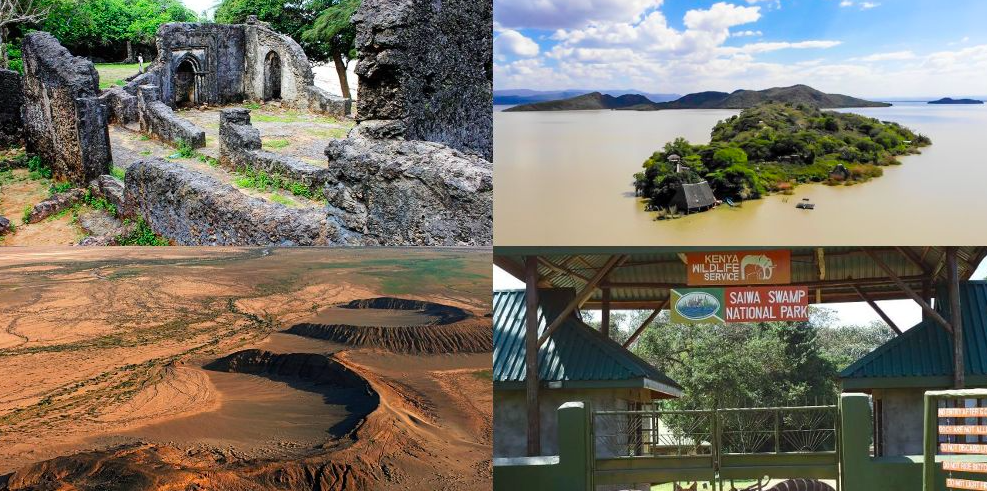
Strip away the resort branding and Diani sits within a deeply Swahili cultural zone, shaped by centuries of trade between the African mainland, the Arabian peninsula, and beyond. The Mijikenda communities, of which the Digo are the dominant group in this particular stretch of coast, have lived here long before any hotel chain arrived. You'll notice it in the food, the call to prayer drifting from mosques inland, the kanga fabric worn by women selling fruit along the roadside. There's a sixteenth century mosque, the Kongo Mosque, tucked near the Kongo River mouth, a quiet reminder that this coastline was a functioning Swahili settlement long before package tourists discovered it.
Mix of Luxury Resorts and Budget Stays
Diani doesn't sort tourists by income bracket the way some destinations do. You'll find five-star beachfront resorts sitting a short walk from backpacker hostels charging a fraction of the price, and honestly that mix is part of the charm. It keeps the local tourism sector diverse instead of turning the whole strip into a gated enclave for one type of traveller.
When Is the Best Time to Visit Diani Beach?
Timing your trip changes everything here, from the price you pay to whether you'll actually get to swim comfortably.
Dry Season Advantages December to March
This stretch is peak season for a reason. Skies stay mostly clear, humidity drops slightly, and sea temperatures hover in that pleasant range of roughly 25 to 29 degrees Celsius, according to seasonal data compiled by Sunheron. Expect higher prices and fuller resorts, particularly around Christmas and New Year when both European tourists and Nairobi families descend at once.
Kite Surfing Season June to September
If wind sports are your thing, this window is non-negotiable. The southeast monsoon, known locally as the kusi, kicks up reliable wind conditions that turn Diani into one of the better kite surfing destinations on the continent. Schools along the beach fill up fast during these months, and honestly, watching kites dot the horizon at sunset has become its own kind of spectacle.
Rainy Months to Avoid or Expect Discounts
April, May, and parts of November bring the long rains. It's not a washout the entire time, but persistent showers and rougher seas make swimming less appealing. The upside? Room rates drop considerably, and if you don't mind gambling on weather, this is when budget travellers quietly score the best deals.
Season | Months | Weather | Best For |
|---|---|---|---|
Dry / Peak | December to March | Sunny, 27°C to 32°C | Swimming, sunbathing, honeymoons |
Kusi / Windy | June to September | Breezy, cooler evenings | Kite surfing, diving visibility |
Long Rains | April, May, November | Wet, humid | Budget travel, fewer crowds |
What Are the Top Things to Do in Diani Beach?
There's more to occupy your days here than lounging on a towel, though nobody would blame you for doing just that.
Scuba Diving and Snorkeling
The reef systems around Diani, particularly toward the Kisite Marine Park further south, offer some of the better diving conditions on this part of the Indian Ocean coast. Visibility improves noticeably during the kusi months, and operators running trips out of Diani regularly report sightings of turtles, moray eels, and occasionally whale sharks passing through deeper channels.
Colobus Conservation Visit
The Angolan colobus monkey, black and white, strikingly beautiful, and unfortunately endangered, survives in fragmented patches of indigenous bush along this coastline. Local conservation groups, including efforts highlighted by Alfajiri Villas, run colobus bridges and rescue programs aimed at reducing roadkill deaths as these primates try crossing busy roads like the Diani Beach Road.
Kaya Kinondo Sacred Forest
This is one of the few kaya forests open to visitors, and it's unlike anything else on the itinerary. Considered sacred by the Digo people, the forest is managed by community elders, and walking through it with a guide reveals old growth trees, medicinal plants, and a spiritual weight that's hard to describe until you've stood under that canopy yourself.
A few practical notes worth keeping in your back pocket before heading out for the day:
Book diving trips at least a day ahead during peak season, boats fill fast.
Bring cash in small denominations for community-run sites like Kaya Kinondo.
Morning hours offer calmer seas for snorkeling before afternoon wind picks up.
Sunscreen matters more than you think, the equatorial sun doesn't forgive laziness.
What Are the Best Day Trips From Diani Beach?
Diani works well as a base camp too, not just a final destination.
Kisite Marine Park and Wasini Island
A day trip south to Kisite Marine Park and Wasini Island is arguably the single best excursion on this coast. Dolphins are common in the Mpunguti Marine Park waters nearby, and the seafood lunch served on Wasini, often cooked by local women's cooperatives, tends to be the highlight travellers mention most when they get back.
Shimba Hills National Reserve
Inland from the beach, Shimba Hills National Reserve offers a genuinely different flavour of Kenyan safari, elephants, sable antelope found almost nowhere else in the country, and rolling indigenous bush that feels worlds away from the Maasai Mara's open plains. It's compact enough to visit in half a day.
Mombasa Old Town Excursion
Cross back over the Likoni ferry and Mombasa's Old Town waits with Swahili architecture, Portuguese colonial history at Fort Jesus, and a spice market that assaults your senses in the best way. It pairs naturally with a Diani stay since the drive north along the Mombasa southern bypass takes under an hour.
Where Should You Stay in Diani Beach?
Beachfront Resorts for Comfort
The classic Diani experience, sunbed steps from the water, buffet breakfasts, spa treatments. These relaxed beachfront hotels dominate the central strip and tend to book out fast during December.
Budget Guesthouses and Backpacker Spots
Head slightly inland or toward the quieter edges near Galu Beach and you'll find guesthouses charging a fraction of resort rates, often run by local families who know the area better than any concierge desk ever could.
Independent Villas and Airbnbs
For longer stays or bigger groups, private villas scattered through the Diani area offer kitchens, pools, and privacy that hotels can't match, though you'll want your own transport arranged since many sit off the main strip.
Where Can You Eat and Drink in Diani Beach?
Swahili and Seafood Restaurants
Fresh catch, coconut rice, and pilau spiced the coastal way define the food scene here. Excellent restaurants along the beach road serve everything from grilled octopus to biryani, and the Swahili influence runs through nearly every menu you'll encounter.
Beach Bars and Nightlife Spots
Come evening, lively beach bars take over, string lights, bonfire pits, and music that sometimes runs later than quieter travellers might prefer. It's part of why some reviewers on Tripadvisor mention noise as a downside depending on which resort you pick.
Local Food Stalls and Street Snacks
Away from the tourist-facing restaurants, roadside stalls sell mahamri, samosas, and grilled maize, cheap, filling, and honestly more authentic than anything plated on white linen.
How Do You Get Around Diani Beach?
Tuk-tuks and boda bodas dominate short trips along the main strip, cheap and quick once you've negotiated a fair price upfront. For longer distances, like reaching Kwale town inland or heading toward the Lunga Lunga Road border crossing toward Tanzania, matatus and hired taxis make more sense. Renting a car gives flexibility but Kenyan road conditions and driving norms take some adjusting to if you're not used to them.
How Do You Deal With Beach Vendors and Touts?
This is the part nobody puts in the glossy brochure, but it matters. Beach vendors selling sarongs, wood carvings, and boat trips will approach you, sometimes repeatedly, and it can wear on visitors who aren't prepared for it. Most aren't aggressive, just persistent, and a firm, polite "hapana asante" usually does the job. The smarter move, and one shared often among people who've spent real time here, is booking activities through your hotel front desk or a verified operator rather than negotiating on the spot with whoever approaches first. It saves the back and forth, and it usually gets you a fairer price too.
Why Do Parts of the Diani Coastline Look Abandoned?
Wander far enough along certain places on the shoreline and you'll stumble on crumbling, fenced-off structures that look nothing like the polished resorts nearby. This isn't neglect exactly, it's uneven development. Academic research published in the Journal of Eastern African Studies documented one such case, the old Two Fishes Hotel, examining how investment cycles along this coast have left pockets of decay sitting right alongside thriving luxury properties. Permits stall, ownership disputes drag on, seasonal demand dries up funding, and a building that once hosted honeymooners ends up as a ghost of itself. It's not unique to Diani, but it's noticeable here because the contrast against the well kept stretches is so stark.
FAQ
Is Diani Beach safe for solo travellers? Generally yes, particularly within the main tourist strip, though standard precautions around valuables and late-night walks apply as they would anywhere.
Do I need a visa or eTA for Kenya? Most visitors require an electronic travel authorization arranged before arrival, a process worth completing well ahead of your flight.
How far is Diani from Mombasa? About thirty kilometres, though the Likoni ferry crossing can add unpredictable waiting time depending on traffic.
Is the water safe for swimming year round? Mostly yes, thanks to the reef acting as a natural barrier, though rainy season currents can occasionally make swimming less pleasant.
Conclusion
Diani rewards the traveller who comes with both enthusiasm and realistic expectations. The beach itself lives up to every postcard, the reef, the sand, the sunsets that make you forget your phone exists. But the honest version of this coast includes vendors who won't take the first no, buildings quietly decaying in the shadow of five-star resorts, and a local tourism sector still figuring out how to balance rapid growth with the interests of the Digo and Mijikenda communities who called this shoreline home long before it appeared on anyone's bucket list. Go anyway. Just go with your eyes open.