Lamu Old Town, Stepping Into Kenya's Living Swahili Heritage
Car free lanes, dhow sails and centuries of history. Discover the island that moves at the pace of the tide.
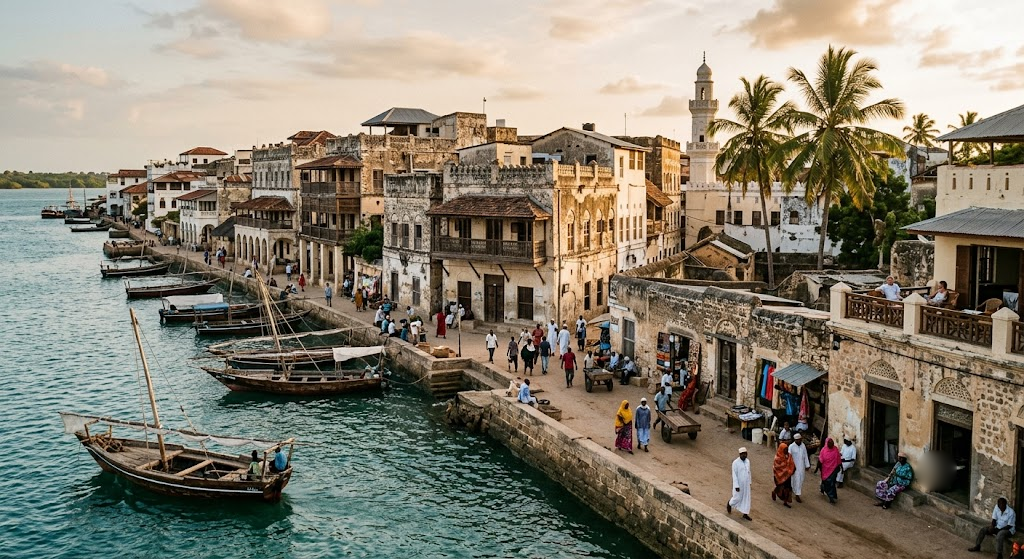
There's a moment, usually around your second day wandering Lamu, when it hits you. No engines. No horns. Just the slap of donkey hooves on limestone, the creak of a dhow sail somewhere off the waterfront, and old men playing bao on a stone bench like they've done for four decades straight. Lamu Old Town isn't a museum piece pretending to be alive. It's genuinely still running on the same logic it had seven centuries ago, and that's precisely why UNESCO calls it the oldest and best-preserved Swahili settlement in East Africa. Not a replica. Not a "heritage experience." The real, working, breathing thing.
I'll be honest, most people land in Nairobi, do their safari circuit, maybe hit Mombasa for a beach fix, and never make the detour up to this island off the Kenyan coast. That's their loss, frankly. Lamu operates on a different frequency entirely, and understanding why takes more than a quick scroll through photos of blue doors and dhows at sunset.
What Makes Lamu Old Town Historically Significant?
700 Years Of Swahili Civilization
The town's footprint covers roughly sixteen hectares, and inside that compact stretch of coral stone and mangrove timber sits nearly seven centuries of layered history, according to the National Museums of Kenya's own account of the Lamu Archipelago. Bantu settlers built the foundation. Arab traders, Persian merchants, Indian seafarers, and later the Portuguese all left fingerprints on the place, not through conquest exactly (though there were omani attacks and skirmishes along the way) but through centuries of trade winds pushing dhows back and forth across the Indian Ocean. Swahili civilization Lamu represents isn't a single ethnic story. It's a fusion, a genuinely distinct culture born from Bantu roots absorbing Arabic, Persian, and Indian influences until something new emerged.
I find it strange how often people assume "Swahili" just means the language. It's an entire urban structure, a building tradition, a social code. Lamu happens to be where you see it most intact.
Coral Stone Architecture And Carved Doors
The buildings themselves tell you everything about swahili building technology before you even read a plaque. Walls are built from coral rag, quarried straight from the reef, then bound together with lime mortar. Roofs and ceiling beams use mangrove poles, a material choice that's been sustainably harvested along this coast for generations. The result, as the World Monuments Fund has documented in its preservation surveys, is a completely distinct architectural language mixing African, Arabic, Indian, and Persian sensibilities into narrow, shaded streets designed for a tropical climate long before anyone had heard of passive cooling.
Then there are the doors. Heavy, dark, intricately carved, often studded with brass. Some are centuries old, salvaged and reused across neighboring homes as families rebuilt or expanded. Local artisans still practice this carving trade today, which honestly says something about how living this heritage remains.
Why UNESCO Named It A World Heritage Site
UNESCO's formal listing, which you can read in full through the World Heritage Centre's official documentation, inscribed Lamu Old Town in 2001, citing its status as the oldest and best-preserved Swahili settlement on the entire coast. The nomination dossier goes further, crediting figures like Habib Swaleh, whose introduction of tarika devotional practices in the nineteenth century reshaped the town's religious life, a history detailed in the archival nomination records. It's rare for a UNESCO site to still function as an actual town, with actual residents, actual commerce, rather than existing purely as a preserved zone behind rope barriers.
What Is Daily Life Like In Lamu Old Town?
A Town Without Cars
There genuinely are no cars in Lamu town. Not "few cars," none. The alleys are too narrow, some barely wide enough for two people to pass shoulder to shoulder, so the entire urban structure evolved around foot traffic. This isn't a tourism gimmick either, it's how the town has functioned since its coral stone foundations went up, long before automobiles existed anywhere.
Donkeys And Dhows As Primary Transport
Donkeys handle the land logistics, hauling everything from sacks of rice to construction materials through those tight passageways, while dhows manage everything on water, from ferrying tourists to Manda Island to moving goods between Lamu and neighboring settlements like Siwa and Amu. The African World Heritage Sites index notes this pedestrian and animal-based transport model as one of the rarest surviving urban systems on the continent, and honestly, riding a dhow at dusk with the call to prayer drifting over the water is worth the entire trip on its own.
Islamic Traditions And The Maulidi Festival
Islam shapes the rhythm of daily life here almost completely. Five calls to prayer structure the day, mosques dot nearly every ward of the old town, and the annual Maulidi festival, celebrating the Prophet's birth, draws pilgrims from across coastal East Africa and beyond. The UNESCO sustainable tourism overview touches on how these historical religious festivals remain central to Lamu's social unity, not staged for visitors but genuinely observed by residents.
When Is The Best Time To Visit Lamu Old Town?
Dry Season Versus Monsoon Season
Season | Months | What To Expect |
|---|---|---|
Kaskazi (dry, north monsoon) | December to March | Calm seas, best dhow sailing, peak tourist season |
Kusi (wet, south monsoon) | April to July | Heavy rains, rougher seas, fewer crowds |
Shoulder season | August to November | Mixed weather, decent value, moderate crowds |
Lamu Cultural Festival Dates
The Lamu Cultural Festival, usually held in November, packs the waterfront with dhow races, donkey races (yes, really), and traditional Swahili dance. The Maulidi festival, timed to the Islamic calendar, shifts dates yearly since it follows a lunar system, so checking ahead matters if that's your reason for going.
Weather To Avoid
Avoid April through June if you can. The kusi monsoon brings genuinely miserable humidity and rain that can strand you indoors, and rough seas make the dhow crossings from Manda uncomfortable at best.
How Do You Get To Lamu Old Town?
Flying Into Manda Airport
Most travelers fly from Nairobi Wilson Airport straight into Manda Airport, a short hop of around an hour and a half. It's by far the easiest route, and honestly the only sensible one if you're short on time.
Road And Ferry Options
Driving from Mombasa is possible but long, roughly eight to nine hours depending on road conditions, and for years this route came with genuine lamu travel restriction concerns tied to security along the northern coastal corridor. Things have eased considerably, but it's worth checking current advisories before committing to the drive.
Getting From Manda Island To Lamu Town
Once you land, there's no bridge, no causeway. You take a short boat transfer across the channel from Manda to Lamu town itself, which honestly sets the tone for the entire trip before you've even checked into your room.
Where Should You Stay In Lamu Old Town?
Heritage Swahili Houses And Boutique Hotels
Restored Swahili houses with interior courtyards, carved doors, and rooftop terraces dominate the upper end of Lamu's accommodation scene. Properties like Kizingoni Beach Houses and the Majlis Resort lean heavily into this aesthetic, blending old town materials with modern comfort, often with water feature balconies overlooking the channel.
Staying Inside The Old Town Versus Shela
Staying inside the old town puts you steps from the museum, the fort, and the market chaos, which some people love and others find exhausting after a few days. Shela, about a forty-minute walk or short boat ride away, offers quieter streets and closer access to the dunes and Shela Beach, at the cost of feeling slightly removed from the historic core.
Budget Guesthouses And Their Trade-Offs
Budget guesthouses scattered through the old town's main streets run considerably cheaper, but expect thinner walls, shared bathrooms in some cases, and rooms without the top terraces or ocean views that pricier options offer.
What Are The Top Things To Do In Lamu Old Town?
Explore the Lamu Museum and Lamu Fort, where colonial-era artifacts and Swahili ethnographic collections sit inside buildings that once served entirely different purposes, a history the National Museums of Kenya brochure covers in detail.
Wander the narrow alleys and waterfront promenade at golden hour, when the coral stone walls catch the light and the whole town seems to exhale after the afternoon heat.
Take a dhow sailing trip toward Manda Bay or further out to Kiwayu, watching local fishermen work nets the same way their grandfathers did.
Visit Shela Beach for the dunes, the surf, and frankly some of the most stunning ocean views along the entire Kenyan coast.
What Local Food Should You Try In Lamu?
Swahili Seafood Staples
Grilled kingfish, octopus in coconut sauce, and biryani infused with cardamom and cloves dominate the food scene here, a direct legacy of Arabia and Persian cultures folding into local cooking traditions over centuries.
Street Snacks And Spices
Mahamri, those slightly sweet, cardamom-spiced fried dough triangles, pair perfectly with a cup of spiced tea from a street vendor near the main square. Coconut features constantly, in sauces, in rice, in sweets sold from handcarts.
Where Locals Actually Eat
Skip the rooftop restaurants angled toward tourists and head instead toward the smaller stalls near the waterfront where residents actually queue up. Cheaper, spicier, and honestly more memorable.
Is Lamu Old Town's Heritage Status At Risk?
Yes, and this isn't alarmist talk, it's the consensus among conservation bodies. Fodor's has reported directly on how Lamu risks losing its UNESCO status given pressure from regional infrastructure ambitions, particularly the LAPSSET corridor project pushing new port and transport development near the archipelago. Illegal development, informal settlements creeping toward protected zones, and rising sea levels tied to climate change all compound the threat, something the UNESCO climate vulnerability assessment for the site addresses directly when discussing coastal erosion risking the town's sandy island foundations. Add in saltwater intrusion weakening coral stone structural integrity, a concern documented by Preserving Legacies' climate adaptation research, and you start to understand why the county's conservation office keeps sounding alarms that development plans championed since president Mwai Kibaki's era need far more scrutiny before ground gets broken anywhere near the old town's boundaries.
What Swahili Phrases Are Useful For Visitors?
"Jambo" gets you a smile but "Habari yako" (how are you) shows a bit more effort. "Asante sana" means thank you very much, and "Karibu" (welcome) you'll hear constantly, since Swahili hospitality runs deep here. Learning even five phrases changes how residents engage with you, noticeably.
Follow-Up Questions Travelers Often Ask
Is Lamu safe for tourists right now? Largely yes, security has improved substantially over the past decade, though it's smart to check current government travel advisories before booking. Can you drink alcohol in Lamu? It's available in select hotels and resorts but respect that this is a deeply Islamic community, so public drinking outside licensed venues isn't appropriate. Do you need a visa? Standard Kenya visa rules apply regardless of entry point, Lamu included.
Conclusion
Lamu Old Town doesn't perform its heritage for cameras. It just keeps living it, donkey carts and all, while the rest of the world debates whether that heritage can survive contact with modern ambition. Go now, walk those alleys while the coral stone still holds the weight of seven centuries, and you'll understand why so many people leave calling it the most honest place they've visited on the entire Kenyan coast.